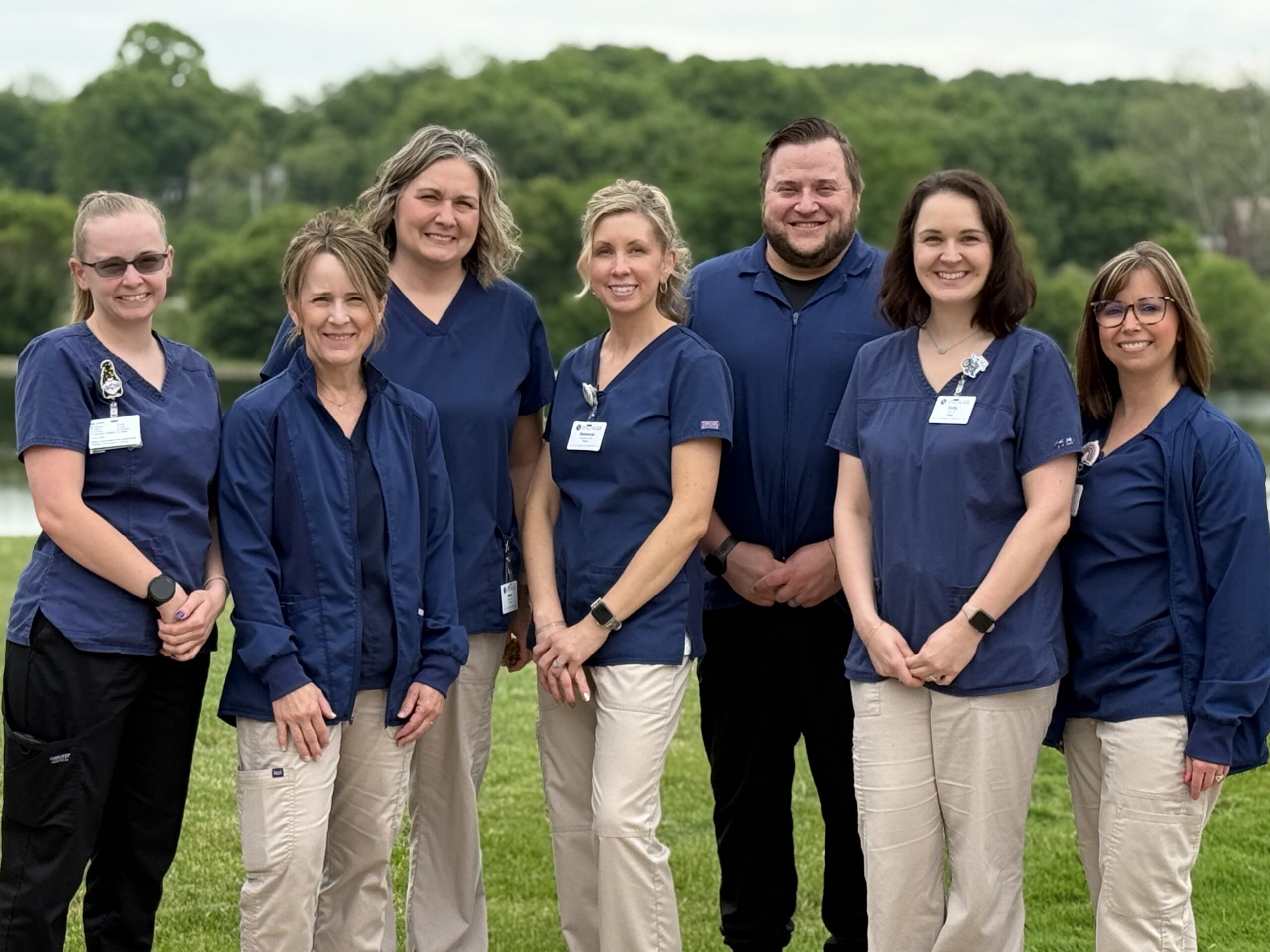
At Rose Lane Nursing and Rehabilitation Center, mentorship is more than part of the job. It is part of the culture. Over the past three years, under the leadership and guidance of Occupational Therapist and Director of Rehabilitation Erin Dixon, the therapy department has mentored 25 therapy students, helping future healthcare professionals gain real-world clinical experience while building confidence in their skills.
For students pursuing careers in physical therapy, occupational therapy, and speech therapy, hands-on learning opportunities are essential. Rose Lane’s therapy team provides a supportive environment where students can strengthen clinical reasoning, develop communication skills, and learn how to adapt to the changing needs of patients in a skilled nursing and rehabilitation setting.
Clinical mentorship plays a major role in preparing therapy students and new graduates for long-term success in healthcare. At Rose Lane, experienced therapists work closely with students to guide them through patient care, treatment planning, and interdisciplinary collaboration.
Olivia Howell, PTA, says mentoring students helps therapists continue learning as well. Student questions often encourage deeper conversations and spark creative treatment ideas that benefit both therapists and patients.
Stephanie Crescenze, COTA, shared that mentoring keeps clinicians engaged and reflective in their practice. She explained that students bring fresh perspectives and updated academic knowledge that help therapists stay connected to evolving best practices in rehabilitation care.
Rose Lane provides students with exposure to a wide variety of diagnoses, patient populations, and clinical challenges. This diverse clinical experience helps prepare future therapists for careers in skilled nursing, short-term rehabilitation, and long-term care.
Because the Skilled Nursing Facility therapy environment is constantly changing, students learn how to become flexible and adaptable clinicians while understanding the importance of individualized patient care.
The therapy department also emphasizes open communication and teamwork. Students are encouraged to ask questions, collaborate with staff, and actively participate in the learning process without fear of judgment.
According to the therapy team, creating a welcoming learning environment helps students grow more confident and comfortable in their clinical decision-making.
Mentorship is not only valuable for students. It also strengthens the therapy department itself.
Teaching students encourages therapists to explain their clinical reasoning more intentionally and break down complex treatment approaches into practical, understandable steps. This process helps therapists sharpen their own skills while fostering creativity and innovation in patient care.
Students also introduce current classroom education, evidence-based practices, and new treatment techniques that contribute to the department’s continued professional growth.
This collaborative exchange of knowledge helps Rose Lane maintain a culture of continuous learning within its rehabilitation program.
Transitioning from the classroom to full-time clinical practice can feel overwhelming for many new therapy graduates. At Rose Lane, mentorship continues beyond student placements to help new clinicians gain confidence as healthcare professionals.
Olivia shared that her experience at Rose Lane helped her grow as a therapist and become more confident in her abilities. She credits the supportive team environment for encouraging professional development and lifelong learning.
The rehabilitation department also emphasizes cross-disciplinary teamwork, helping new therapists understand how physical therapy, occupational therapy, and rehabilitation services work together to improve patient outcomes.
After more than a decade at Rose Lane, Stephanie believes mentorship is one of the biggest reasons the therapy department continues to succeed. She described the team as one built on mutual respect, collaboration, and professional support.
Her advice for new graduates entering healthcare is to find mentors who encourage growth and create a positive work environment. Strong professional relationships, she says, can make a significant difference early in a therapist’s career.
With assistance, leadership, and guidance from Erin Diaczun, Director of Rehabilitation at Anchor Lodge Retirement Village and Student Placement Coordinator for therapy students across Sprenger Health Care, our organization continues creating meaningful opportunities for therapy students and new graduates.
By prioritizing mentorship, collaboration, and professional development, Rose Lane is helping shape the future of rehabilitation therapy while investing in the next generation of healthcare professionals.
